Managing traffic incidents and congestion on some of Australia’s busiest roads presents significant challenges for Transport for NSW. With a network spanning thousands of kilometers and covering both urban and regional corridors, timely incident detection and response are critical to minimizing disruptions and ensuring public safety.
Traditionally, incident response relied on fixed cameras, ground personnel, and manual reporting. These methods left gaps in coverage, and opportunities for improved situational awareness.
In 2024 Transport for NSW launched the Drones for Roads Program, aiming to leverage drone technology to enhance real-time visibility and response capabilities.
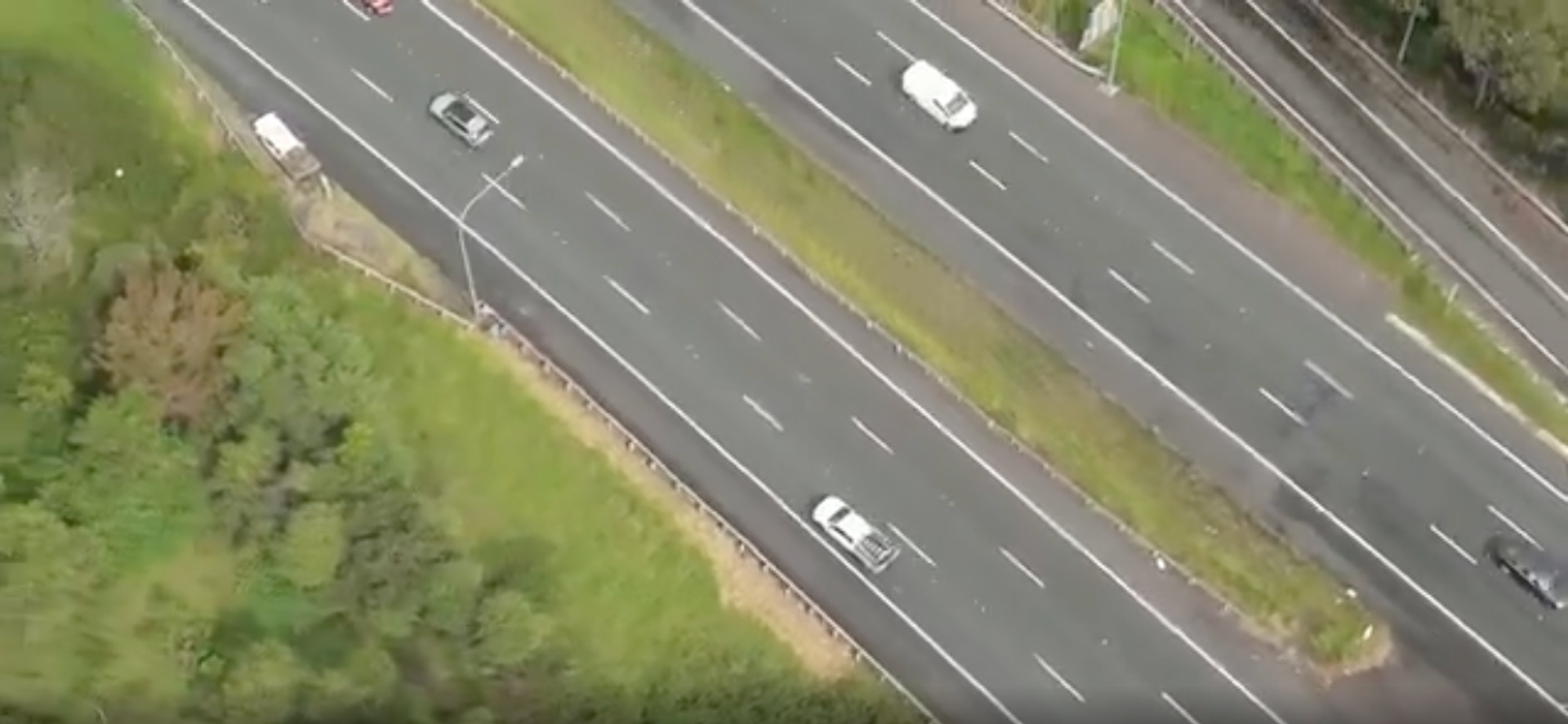
Recently, they have received a first-of-its-kind approval by the Civil Aviation Safety Authority (CASA) for BVLOS operations, which allows accredited Transport for NSW pilots to deploy and supervise drones from the Transport Management Centre (TMC) nerve centre, housed more than 50km away, slashing the time it takes to get eyes on an incident.
The challenge
- Rapid Incident Detection and Response: Reliance on fixed CCTV and manual drone patrols left an opportunity for faster awareness of incidents, particularly in remote or high-traffic areas.
- Resource Allocation: Maintaining 24/7 on-ground coverage was resource-intensive and could not always guarantee a timely response, especially during unscheduled major events or peak travel periods.
- Operational Complexity: The scale of NSW’s road network and the need for compliance with Civil Aviation Safety Authority (CASA) regulations made introducing new technologies a complex process.
The solution
Transport for NSW are installing drone-in-a-box systems at strategic sites, such as the M1 at Mooney Mooney and the Hume Highway at Narellan. These units are managed remotely by certified TMC pilots via the FlytBase platform, allowing for both scheduled and on-demand drone flights without requiring personnel on-site as spotters.
- BVLOS Operations: CASA-approved beyond visual line-of-sight flights, allowing drones to cover up to 16km of road per deployment.
- Centralized Remote Control: Accredited pilots at the TMC can launch, supervise, and coordinate drones stationed more than 50km away.
- Fail-Safe Measures: Each drone is equipped with approved flight areas, onboard diagnostics, and extra fail-safes to ensure operational safety.
- Real-Time Data Integration: Live drone feeds are integrated into existing traffic management systems, supporting timely information dissemination through variable message signs and official apps.
How it works
- Centralized Remote Operations: Using FlytBase technology, accredited TMC pilots can remotely launch, supervise, and coordinate drones stationed over 50km away, eliminating the need for on-site spotters and enabling true BVLOS flights.
- Automated Workflows: The platform automated pre-flight checks, flight path planning, and battery management, ensuring each mission could be scheduled or launched on demand with minimal manual intervention.
- Integrated Compliance and Safety: FlytBase provided operational safeguards such as geo-fencing, approved flight corridors, and real-time diagnostics—key factors in securing regulatory approval for CASA BVLOS.
- Real-Time Data and System Integration: Live video and telemetry from drones operating on the FlytBase platform were fed into Transport for NSW’s existing traffic management systems, enhancing situational awareness and supporting timely communication with field teams and the public.
- Scalable Fleet Management: The centralized FlytBase dashboard gave Transport for NSW full oversight and control of drone-in-a-box drones.
The results
- Operational Efficiency: Remote flying has allowed TMC pilots to maintain oversight of known hotspots and provide real-time situational awareness to Commanders and Emergency Patrollers, freeing up field personnel for other critical tasks.
- Data-Driven Decision Making: Live streams from drones enhance the quality and timeliness of information shared with road users through official channels, supporting safer and more efficient journeys.
Conclusion
The Drones for Roads Program at Transport for NSW demonstrates how BVLOS drone technology can serve as a force multiplier for public agencies, enhancing incident response, operational efficiency, and road safety.
By integrating drones into established workflows and prioritizing safety and compliance, Transport for NSW has set a new benchmark for technology-driven traffic management in Australia.