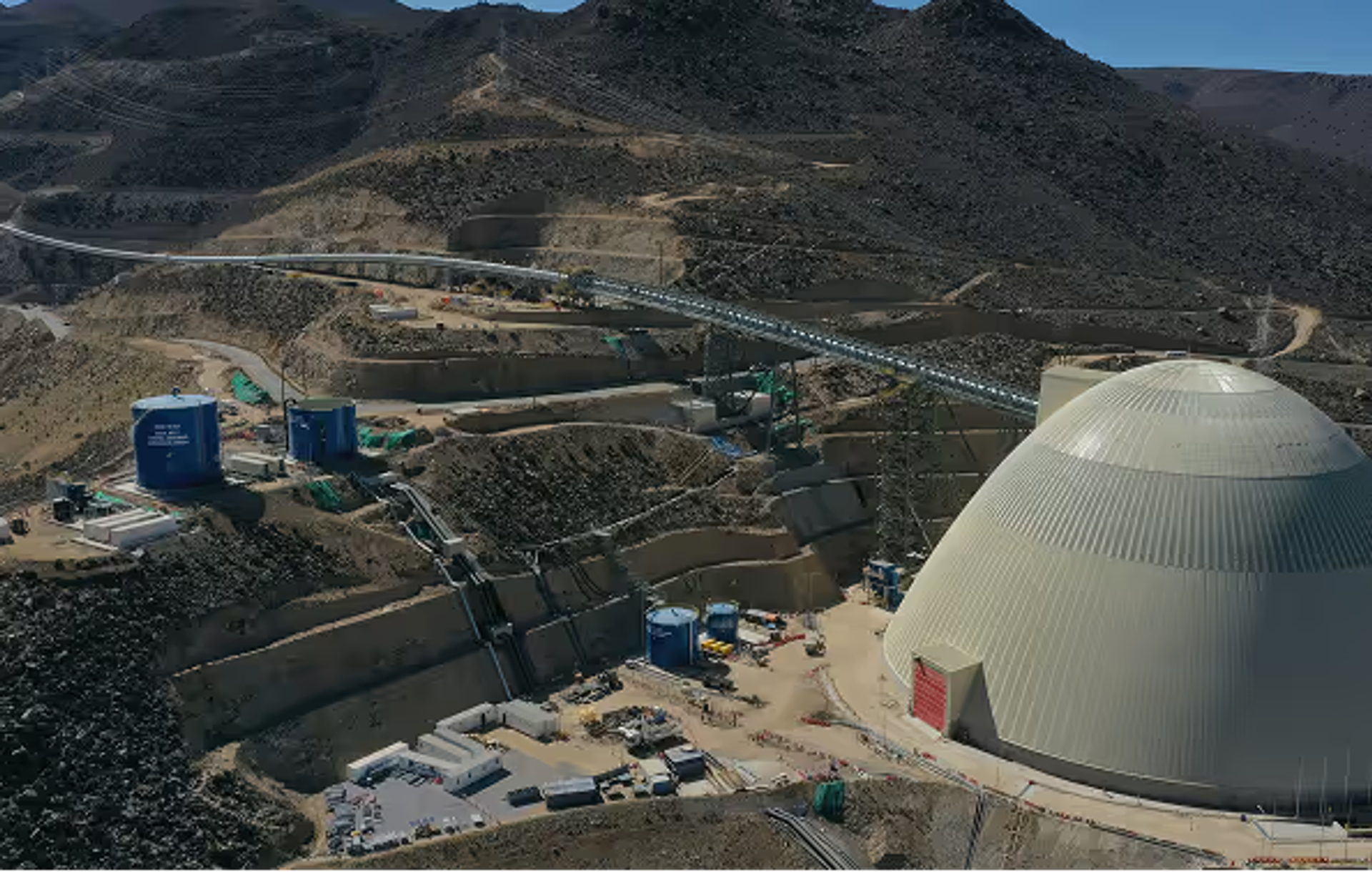



Kansanshi Mining Plc is a high-value copper mining operation in Zambia, forming part of First Quantum Minerals' global portfolio. The site spans an extensive area with complex terrain, multiple access points, and persistent security challenges including equipment theft, copper cable theft, and organised perimeter intrusions. Mining operations of this scale require surveillance coverage, response speed, and situational awareness that traditional ground patrols alone cannot deliver.
The challenge
KMP's security operation was protecting a site that conventional ground patrols could not fully cover. Three compounding challenges defined the problem.
Perimeter scale and coverage gaps
The mine's footprint created natural blind spots that organised intruders consistently exploited. Syndicates of ten or more individuals on motorbikes would enter from the surrounding bush, target tailings areas and equipment storage, and exit before any response team could reach the location. Ground patrols were stretched across too much terrain to maintain consistent visibility, and certain sectors remained effectively unmonitored for extended periods.
Night-time vulnerability
The highest-risk window for intrusions was after dark. Visibility for ground teams dropped significantly, thermal detection was unavailable, and patrol effectiveness was limited. Intruders could approach, operate, and leave without being detected until the following morning, when the damage was already done.
A security model built on reaction, not prevention
When incidents were eventually discovered, response was always retrospective. Security teams arrived at locations where something had already happened. There was no mechanism to intercept threats while active, no aerial feed to guide teams in real time, and no consistent data accumulating to identify patterns or predict where the next intrusion would occur.
The solution
FS Systems International designed and deployed a FlytBase-powered autonomous UAV surveillance system at Kansanshi to address each of the three challenges KMP faced.
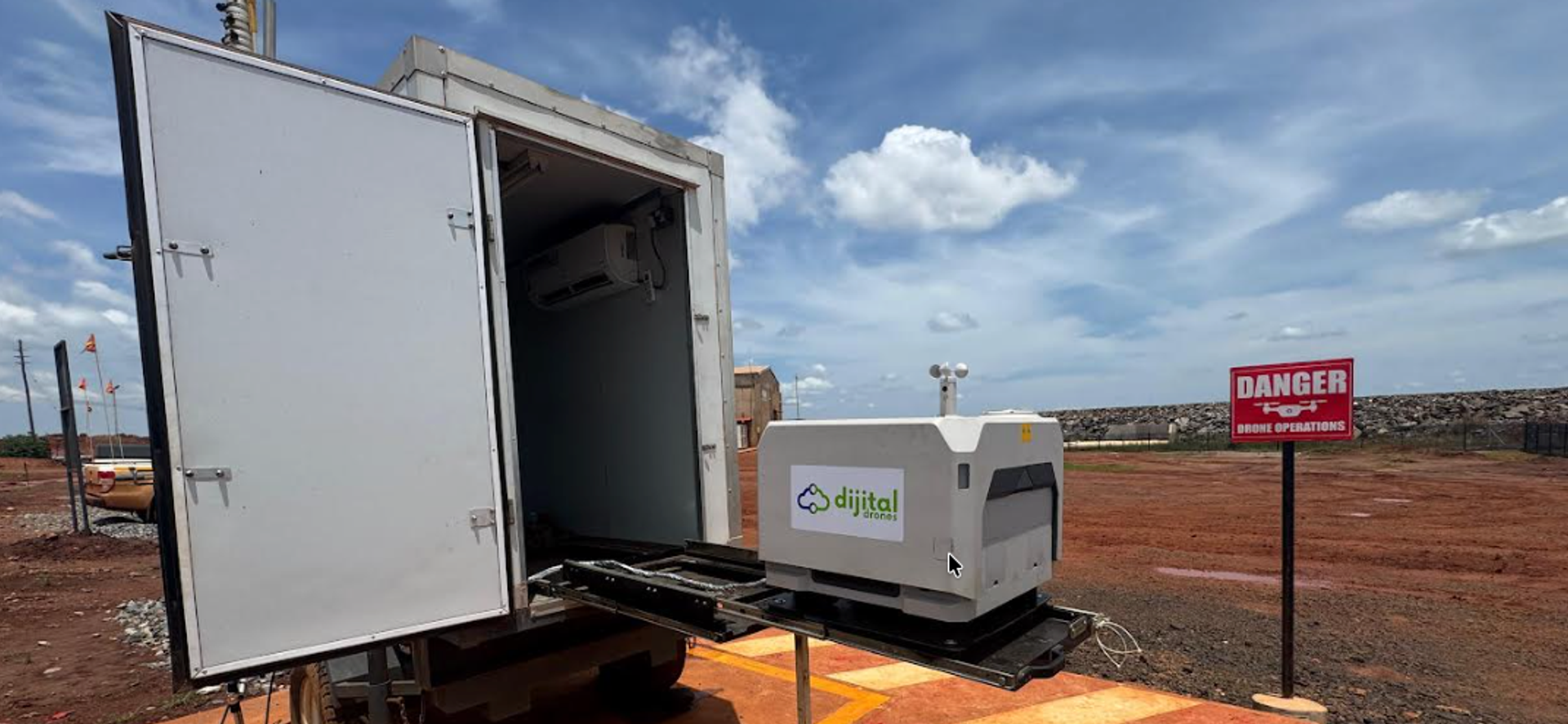
Expanded coverage: Autonomous drone docks were deployed at strategic points across the site, running 2 to 3 scheduled patrol missions per day without requiring on-site pilots. High-risk zones including perimeter sectors, tailings areas, and equipment storage are covered consistently throughout the day. The aerial footprint extends KMP's effective surveillance across ground that ground patrols alone could not maintain, without any increase in security personnel.
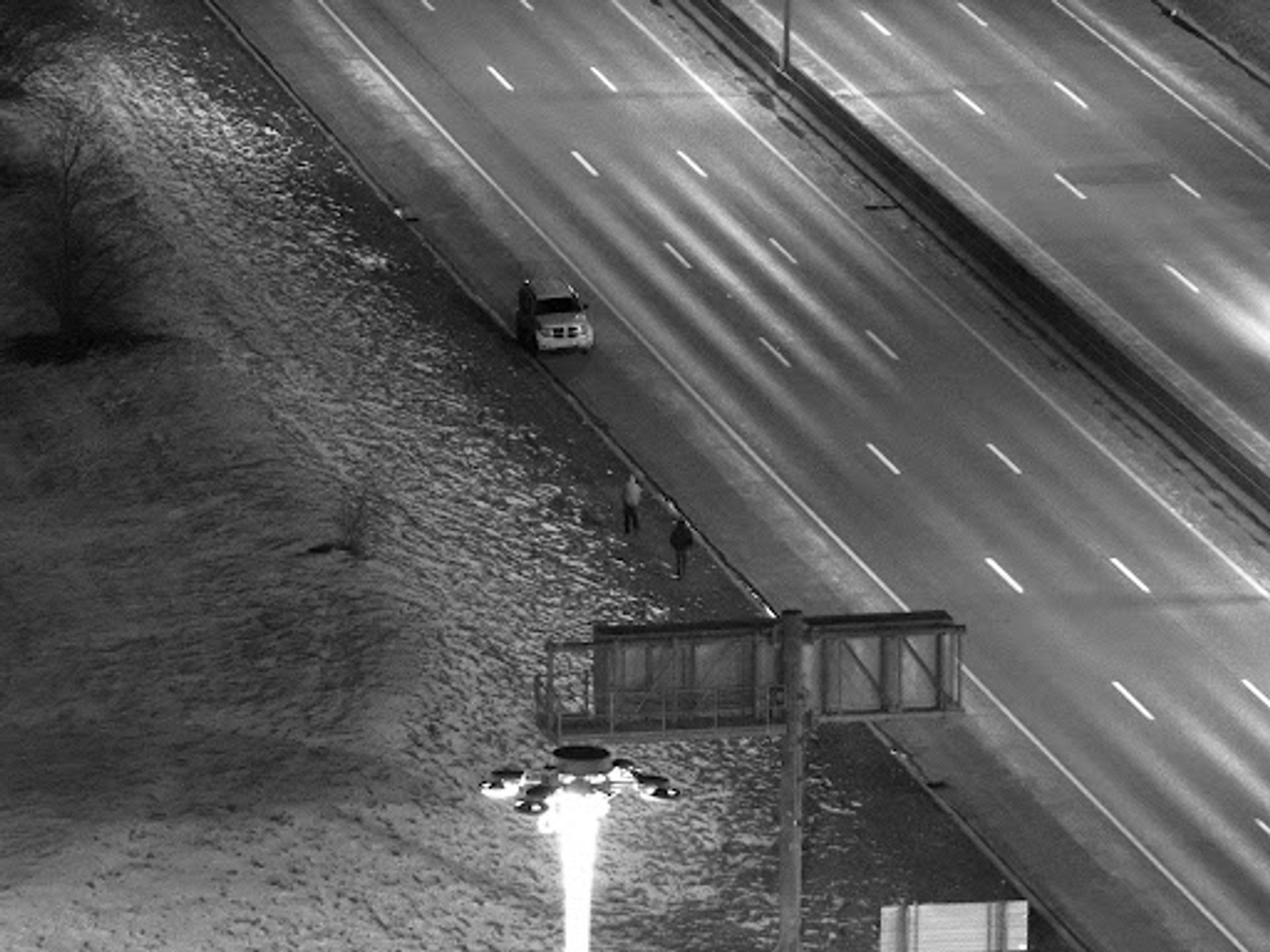
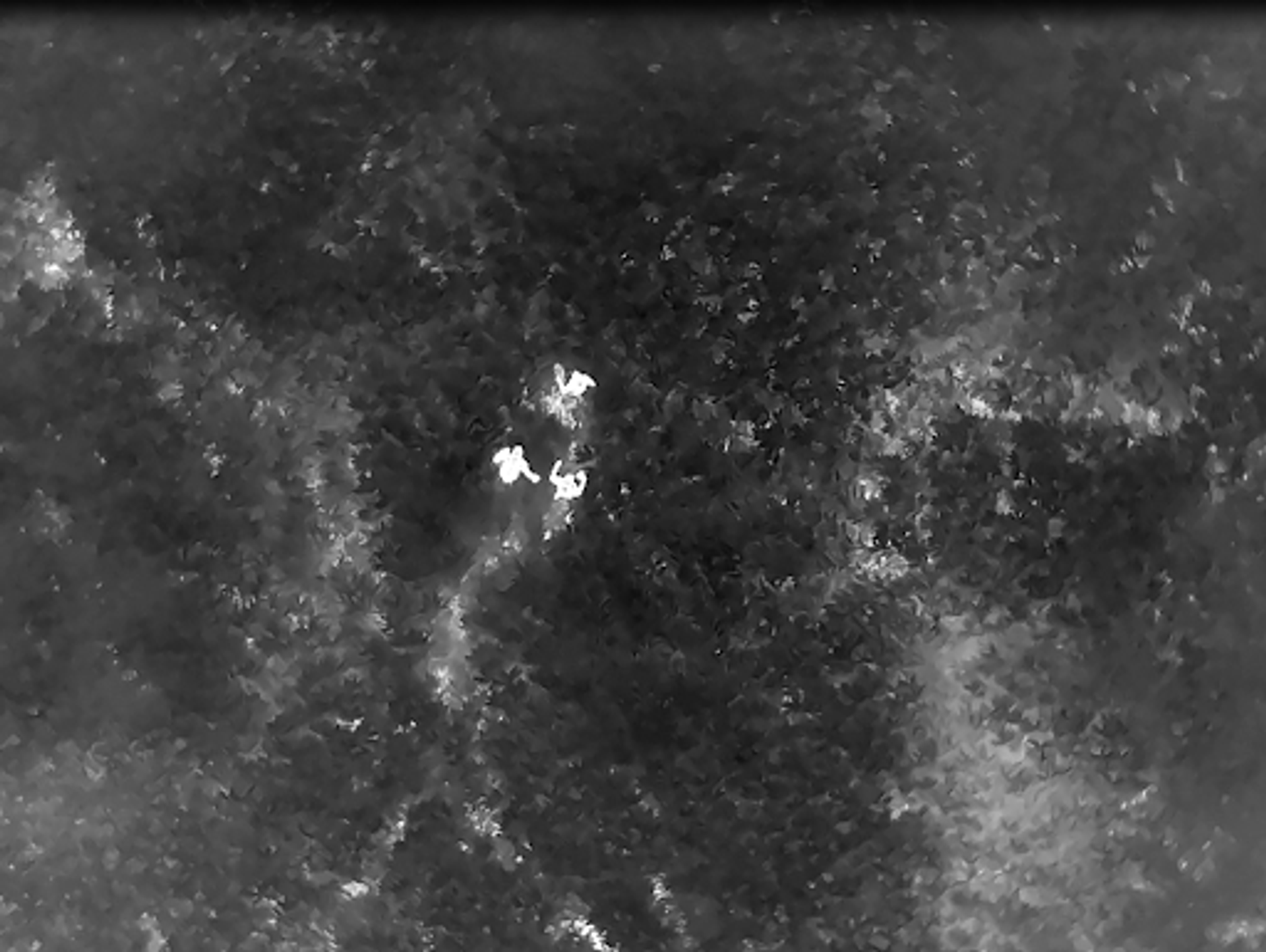
Round-the-clock visibility: Drones equipped with thermal and RGB payloads operate through the night, detecting heat signatures and movement in conditions where ground teams have no visibility. Night patrol missions run on the same schedule as daytime operations, creating a consistent 24/7 aerial presence that intruders cannot time around, regardless of lighting conditions or bush cover.
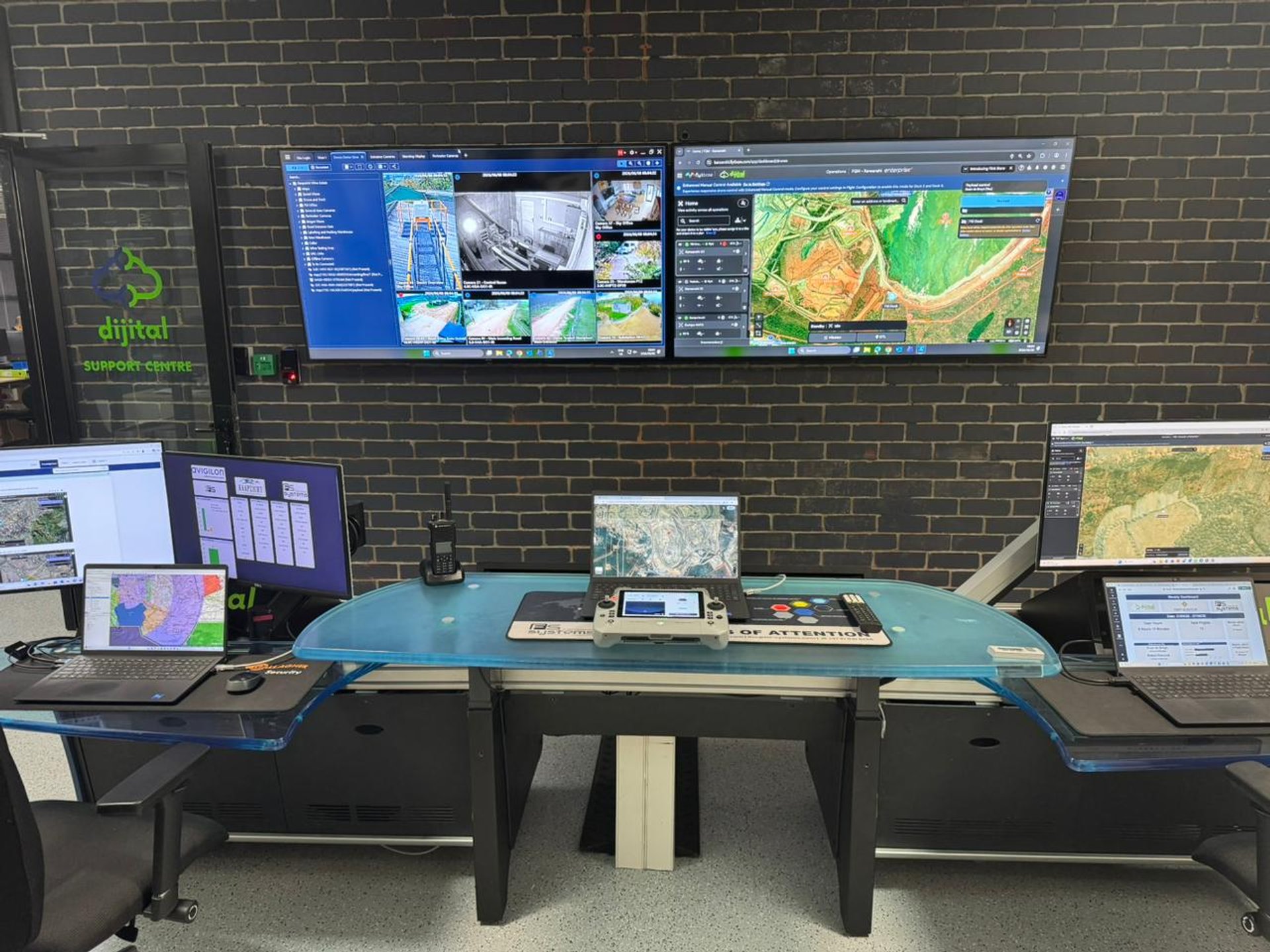
Intelligence-led response: The UAV system is fully integrated with FS System International’s off-site Control Room. When a drone detects an intrusion, the operator immediately dispatches the Reaction Team with a live GPS location and maintains the drone overhead, tracking the target in real time. Teams arrive knowing exactly where the threat is, how many individuals are involved, and which direction they are moving. This has reduced response times by 30 to 50% and shifted the security operation from one that responds to incidents into one that intercepts them.
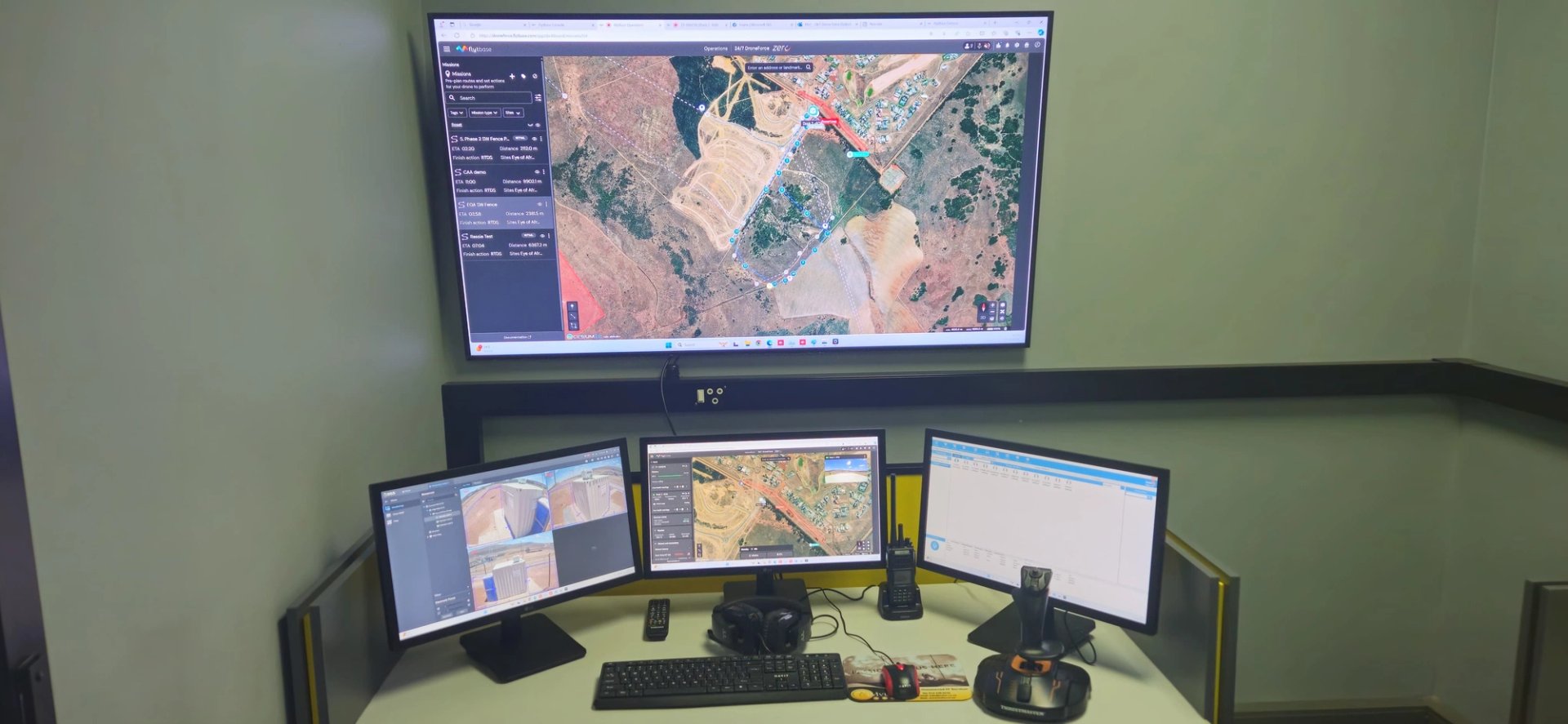
A key differentiator of the solution is its fully remote operational model. While the drone is permanently stationed on-site within an automated Drone-in-a-Box system, all flight operations, mission management, and operational oversight are conducted from FS Systems International’s dedicated Drone Operations Control Room in South Africa. This centralized control environment allows qualified BVLOS (Beyond Visual Line of Sight) drone pilots and mission specialists to monitor, manage, and support operations across multiple sites simultaneously while maintaining full regulatory compliance and operational safety.
By leveraging a centralized remote operations model, Kansanshi benefits from access to specialist drone expertise, 24/7 operational support, reduced on-site staffing requirements, and a significantly lower total cost of ownership compared to traditional manned patrols or locally managed drone programs. The result is a highly scalable surveillance capability that delivers consistent, repeatable, and data-driven security and operational intelligence across the entire mining operation.
How it works
KMP's UAV operations run on a continuous cycle from scheduled patrol through to incident response and documentation.
Patrol missions are pre-planned and execute automatically, with drones launching from their docks and following designated flight paths across high-risk zones. The Control Room monitors the live video feed throughout each mission. Missions run 20 to 35 minutes on average and cover 15 to 20% of the site per day, concentrated on areas with the highest historical incident rates.
When an anomaly is detected, whether a person, group, or unregistered vehicle, the operator immediately dispatches the Reaction Team with a GPS location and keeps the drone overhead to track movement and record the incident.
If the team reaches the location while the intrusion is active, the overhead drone guides them directly to the target. If intruders flee upon detecting the drone, the entire event is recorded for post-incident review, pattern analysis, and evidence for follow-up. In either case, the incident is fully documented from detection through to resolution.
All footage is stored and searchable, enabling the security team to review events, identify recurring entry points, and build a forward-looking picture of where and when threats are most likely to occur.
Implementation
FS Systems International deployed two autonomous UAV dock units at Kansanshi, fully integrated with the Control Room and Reaction Team operations. Primary objectives from the outset were early intruder detection, rapid response support, and expanded surveillance coverage without increasing manpower.
The system was commissioned with live tasking capability, enabling FS Systems Internationals Control Room to launch incident-driven missions in addition to scheduled patrols. As operational results were validated, KMP expanded the deployment to four docks, with the programme now running consistent daily operations across high-risk zones throughout the site.
The results
"The implementation of intelligence-based drone usage to directly secure our perimeters and assets by transforming physical security from a reactive model to a highly proactive, predictive defense are now paying dividends. Unmanned Aerial Vehicles (UAVs) act as mobile, high-speed sensor platforms that actively hunt for anomalies rather than waiting for an alarm to trigger. The UAV deployment at KMP has fundamentally strengthened our security posture as we've moved from reacting to incidents to preventing them, with faster response times and a clear reduction in theft and intrusion attempts." – Francois Peacock, Manager: KMP Risk & Asset Management
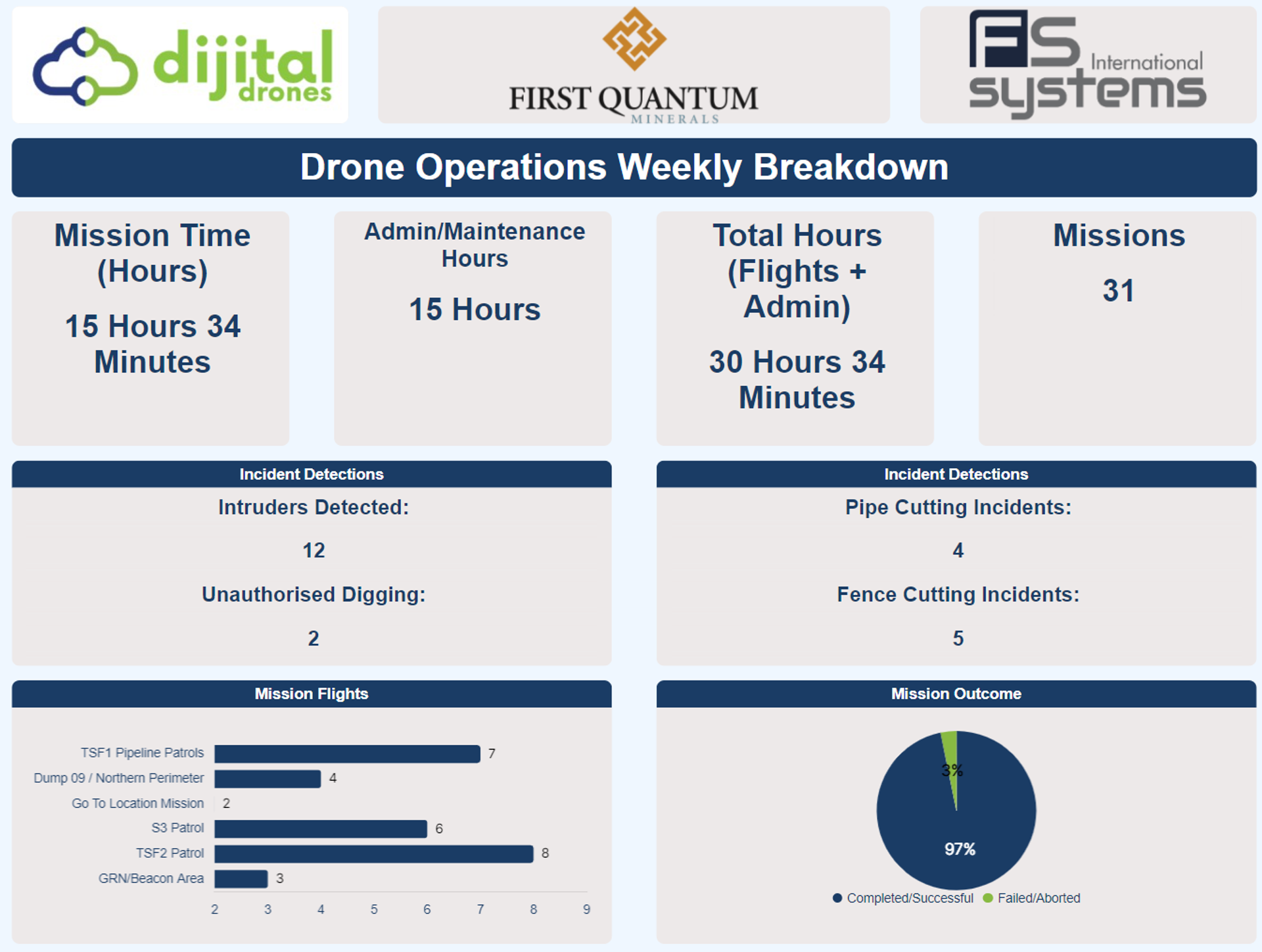
FS Systems Internationals UAV programme at Kansanshi has delivered measurable change across response effectiveness, intrusion rates, coverage, and personnel safety.
Faster Incident Response
Reaction Teams now arrive at active incidents guided by a live aerial feed with real-time target location, numbers, and direction of movement. This shift from ground-only response to aerial-guided interdiction has reduced response times by 30 to 50% compared to the pre-deployment baseline.
Reduction in Successful Intrusions
In UAV-monitored sectors, successful intrusions have declined noticeably since deployment. Night-time incursions, historically the most difficult to prevent, have dropped markedly. Increased early-warning detections have enabled security teams to intercept threats before entry is completed rather than discovering incidents after the fact.
Deterrence Across the Site
The consistent aerial presence has created a deterrence effect that extends beyond active detections. Intruders operating in monitored zones face immediate aerial detection regardless of bush cover, darkness, or terrain, and repeat attempts in surveilled areas have decreased over time.
Expanded Coverage Without Additional Headcount
Four autonomous docks now provide consistent aerial surveillance across ground that would require significantly more patrol personnel to monitor on foot. Equipment theft, fuel theft, and copper cable theft have all shown a visible reduction since deployment, without a proportional increase in security staffing.
Improved Safety for Security Personnel
Ground teams responding to incidents now do so with full situational awareness rather than arriving blind. Aerial guidance reduces exposure risk for Reaction Teams and has improved coordination between the Control Room and field personnel during active incidents.
The way ahead
KMP is exploring opportunities to expand UAV operations to additional high-risk zones across the site. Automated patrol scheduling, AI-assisted detection and anomaly alerts, and integration with broader security analytics platforms are all under active evaluation.
The success at Kansanshi positions the UAV programme as a scalable model for other FQM operations globally.
Conclusion
FS Systems International's UAV programme at KMP has fundamentally changed how the mine approaches security. What was once a reactive operation, dependent on ground patrols responding to incidents after the fact, is now a proactive surveillance capability that detects, tracks, and intercepts threats in real time. Response times have improved by 30 to 50%, successful intrusions in monitored sectors have declined, and the security team operates with aerial intelligence that was simply not available before.
The phased deployment approach has proven effective beyond the operational results themselves. Starting with two docks and scaling on the basis of validated outcomes gave KMP's leadership the confidence to approve each stage of expansion. The programme built its own business case through demonstrated performance.
The success at Kansanshi positions autonomous UAV surveillance as a scalable model for high-value mining operations facing similar security challenges. As the programme expands into additional high-risk zones and new use cases, KMP is building the operational foundation for a security infrastructure that is persistent, intelligence-driven, and built for the scale of a modern mining environment.
Frequently asked
1. Can autonomous UAV surveillance replace ground security patrols?
It does not replace them, it makes them significantly more effective. When a drone detects a threat, Reaction Teams are dispatched with a live location and an aerial feed tracking the target in real time. The same personnel intercept more incidents, faster, with full situational awareness.
2. How does this operate reliably in a remote mining environment?
KMP operates over Starlink connectivity, providing sufficient bandwidth for live video streaming and UAV command-and-control across remote mining sites in Zambia. Prior to go-live, each system is carefully configured and optimized to suit the specific connectivity conditions of the deployment environment, ensuring reliable performance and operational resilience.
FS Systems International further supports operations through a state-of-the-art Drone Operations Control Room, equipped with redundant internet connectivity, backup power systems, and dedicated monitoring infrastructure. This enables continuous oversight, rapid response capability, and uninterrupted drone operations, even in the event of local network or power disruptions.
3. How quickly does a deployment become operational?
At Kansanshi, the system was fully operational within days of hardware installation and achieved its first intrusion detections within weeks. FS Systems International provided end-to-end delivery, including system design, on-site commissioning, and ongoing drone operations.
4. How is drone footage used after an incident?
All footage is stored and fully searchable, giving the security team a documented record of every detection. This supports post-incident review, pattern analysis across recurring entry points, and evidence for follow-up action and prosecution where required.